Married to the Grinch Embroidery Review
When I first opened the file for Married to the Grinch, my immediate thought wasn't about the holiday spirit, but rather about the practicalities of stitching. As someone who has spent years turning digital files into tangible, high-quality finished products for clients and craft fairs, I know that a cute concept doesn't always translate well to thread. This design is marketed as a retro Grinch Christmas SVG, but for an embroiderer, the real question is: how does it behave on fabric? Does it hold up after washing? And most importantly, will it look like a professional boutique item or a home-printed novelty?
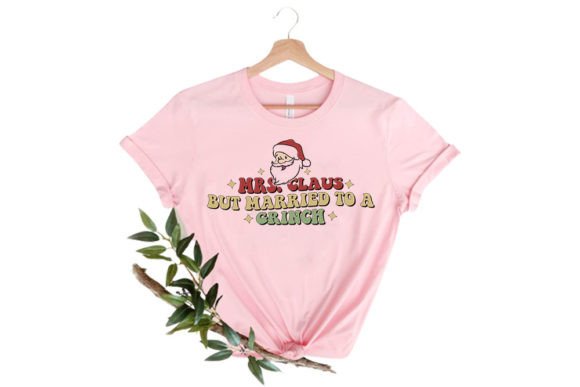
The visual personality of Married to the Grinch leans heavily into that nostalgic, slightly chaotic energy that defines the Grinch character. The layout suggests a playful mood, perfect for anyone looking to add a touch of humor to their holiday collection. It feels like a design that belongs in a cozy living room setting, perhaps on a mug or a throw pillow, but when we talk about T-Shirt Designs and apparel decoration, the stakes are higher. The typography needs to be legible, and the graphic elements must not get lost in the weave of the material.
Real-World Application: From Screen to Stitch
Let's imagine a specific scenario. You are preparing for the upcoming holiday season, and you have a pre-order list for a custom embroidered sweatshirt line. Your target audience loves quirky, personalized gifts. You decide to use Married to the Grinch for a "Grinch Couple" set. The challenge here isn't just digitizing the image; it's understanding how the design will interact with the garment.
If you plan to place this on a thick fleece sweatshirt, the design needs enough density to stand out against the nap of the fabric. However, if you intend to put it on a baby onesie, which is common for family matching sets, the stitch density becomes critical. Too much fill can make the fabric stiff and uncomfortable for a newborn. In my experience reviewing similar assets, the key is balancing the visual impact with wearability. Married to the Grinch appears to have a mix of text and graphical elements that could work beautifully as a chest placement on a tote bag design or a centered motif on a kitchen towel. But for small items like caps or patches, the detail level requires careful scrutiny.
I also considered using this for a commercial embroidery project involving aprons for a local bakery. The design's retro vibe fits perfectly with vintage-style branding. When customers see a handmade product with a clear, recognizable theme like this, it builds trust. They know exactly what they are getting: a fun, festive item that shows effort. This is where the value of a good embroidery file comes into play. It transforms a generic blank canvas into a branded piece of merchandise that justifies a higher price point.
Where Caution is Required
While the design has charm, there are specific areas where an experienced designer would proceed with caution. First, consider the hoop size. If the design includes intricate details or tiny lettering, attempting to stitch it on a textured fabric or a stretchy knit without proper stabilization can lead to puckering. This is especially true for dark fabrics where thread contrast is vital. If the background is black and the thread colors are too light, the design might disappear under the glare of flash photography used by Etsy sellers.
Another potential pitfall is the use of dense stitch areas. If the design relies heavily on fill stitch to create the Grinch's green texture, it might become rigid. For products that need to drape softly, like a baby blanket or a lightweight t-shirt, this rigidity can be a dealbreaker. Additionally, curved surfaces like baseball caps require a design that follows the contour of the hat. A flat, rectangular layout might look distorted when stitched onto the crown of a cap unless the digitization accounts for the curvature.
We must also think about longevity. Holiday gifts are often washed frequently. If the stitch density is too high, the threads might pull or fray over time. Conversely, if the running stitch elements are too sparse, they might snag easily. Before committing to a full production run, testing on scrap fabric is non-negotiable. This step reveals whether the design holds its shape and whether the chosen thread colors maintain their vibrancy after a wash cycle.
Visual Appeal and Brand Consistency
In the world of handmade products, presentation is everything. A design like Married to the Grinch adds a layer of narrative to your brand. It tells a story of holiday fun and connection. When you offer this as a personalized gift, the emotional connection is stronger than with a generic snowflake pattern. Customers appreciate designs that feel curated and thoughtful.
For Etsy sellers and small shop owners, the ability to mock up these designs effectively is crucial. Even though the final product is physical, the digital preview determines the sale. The retro aesthetic of Married to the Grinch works well in printable mockups, allowing you to visualize the product on various backgrounds. Whether it's a tea towel hanging in a rustic kitchen or a patch on a denim jacket, the design should remain cohesive with your overall brand identity. Consistency in style helps build recognition, making your shop memorable in a crowded marketplace.
However, be mindful of the thread colors you select. The Grinch is iconic for his green, but relying solely on one shade can limit the depth of the design. Using a gradient or varying shades of green can add dimension, making the applique design or satin stitch elements pop. Always review your design in black and white mockups to ensure the contrast is sufficient. Sometimes, color can mask poor contrast, leading to a muddy appearance once stitched.
Practical Designer Notes for Success
To ensure your project with Married to the Grinch is a success, follow these practical steps derived from industry standards:
- Test on Scrap Fabric: Never start a client project without a test run. Check how the fabric reacts to the tension and stabilizer.
- Check Thread Contrast: Ensure the thread stands out clearly against the base fabric, especially for dark materials.
- Review Stitch Density: High density looks great on heavy cotton but can ruin delicate fabrics. Adjust settings if necessary.
- Confirm Hoop Size: Make sure the design fits within your machine's capabilities without requiring multiple hooping sessions that misalign the image.
- Inspect Small Details: Zoom in on the digital file to check for any tiny lines or text that might break during stitching.
- Use Proper Stabilizer: The right stabilizer prevents shifting and ensures the design sits flat and crisp.
- Licensing Verification: Before selling finished items, confirm the license terms. Some digital designs allow personal use only, while others permit commercial sales of the finished product.
Ultimately, Married to the Grinch offers a versatile foundation for creative entrepreneurs. It bridges the gap between digital art and tactile craftsmanship. By paying attention to the technical details—fabric choice, stabilizer type, and thread selection—you can elevate this design from a simple download to a premium handmade product. Whether you are creating a batch of holiday embroidery for a craft fair or adding a unique touch to your own wardrobe, the key lies in the execution. With careful planning and a keen eye for detail, this design can become a standout piece in your portfolio, delighting customers and enhancing your reputation as a skilled artisan.