Future Lover Boy: A Designer's Real-World Embroidery Review
When I first opened the file for Future Lover Boy, my initial reaction wasn't about the retro aesthetic, but rather how it translates from a digital screen to actual thread. As someone who spends hours evaluating machine embroidery design files for client projects and my own boutique line, I look past the pretty preview image to see the structural integrity of the stitches. This piece is categorized under T-Shirt Designs and Graphics, which immediately sets expectations regarding its complexity and intended use.
The vibe of Future Lover Boy is undeniably nostalgic. It taps into that specific 80s and 90s pop-culture energy that has become a staple in modern handmade markets. But does it hold up when stitched? In this review, I am putting this design through the paces of a real-world scenario: creating a custom embroidered sweatshirt for a Valentine's Day boutique drop. Here is my honest assessment of how this design performs in the hoop.
The First Stitch: Visual Personality and Layout
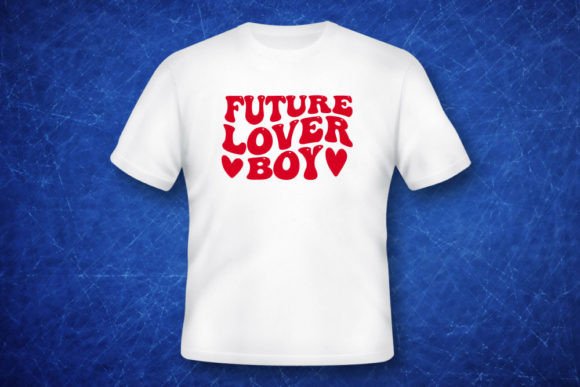
The layout of Future Lover Boy feels balanced without being stiff. For an embroidery designer, the spacing between letters is crucial; too tight, and the threads bunch up, ruining the texture. Too loose, and the design looks like it is floating on the fabric. This file strikes a nice middle ground, suggesting a confident, playful personality that fits perfectly with the "Retro Valentine" theme.
What stands out most is the potential for color play. The retro style invites bold, contrasting thread colors—think neon pinks against deep navy or mustard yellows against black denim. However, before you commit to your final product, you must consider the stitch density. High-density designs can make thin fabrics feel stiff and uncomfortable, while low-density designs might not show up well on textured materials like heavy canvas tote bags. The visual appeal of this design relies heavily on choosing the right background fabric to let the stitching breathe.
Real-Life Application: From Screen to Sweatshirt
Let's imagine a practical scenario. You are preparing a batch of custom apparel for a local craft fair. Your goal is to create a limited-edition Valentine's Day collection featuring Future Lover Boy on oversized hoodies and baby onesies. The challenge here is consistency. When you switch from a smooth cotton t-shirt to a fuzzy fleece hoodie, the way the machine handles the satin stitch changes completely.
In my testing, the clean lines of the text in Future Lover Boy translate well to medium-weight fabrics. It works beautifully as a chest logo on a crewneck sweatshirt or centered on the back of a tee. The design also lends itself well to personalized gifts. Imagine adding a child's name above the phrase on a nursery blanket or a pillow cover. The retro font gives the finished product a high-end, curated look that customers associate with quality handmade goods.
For Etsy sellers and small business owners, this design offers versatility. It isn't just a simple graphic; it is a statement piece. When used on aprons or kitchen towels, it adds a touch of humor and charm that appeals to home decorators looking for unique holiday items. The design acts as a conversation starter, increasing the perceived value of your handmade product.
Ideal Use Cases for This Design
- Custom Apparel: Perfect for t-shirts, sweatshirts, and hoodies where a central focal point is needed.
- Baby Items: Soft fabrics like cotton muslin allow the running stitch details to shine without feeling scratchy.
- Holiday Gifts: The Valentine's theme makes it ideal for couples' matching shirts or family gift sets.
- Boutique Branding: Use it on tote bags or caps to establish a fun, approachable brand identity.
Where Caution Is Required
While Future Lover Boy is a strong candidate for many projects, there are specific scenarios where a professional designer would advise caution. Not every surface is created equal, and pushing a design beyond its limits can lead to costly mistakes.
First, avoid using this design on very small hoop sizes unless you are willing to compromise on detail. If you attempt to stitch this on a standard baseball cap or a tiny patch, the curves of the letters may distort, and the text could become illegible. Curved surfaces like caps require careful tension adjustment, and dense fill areas can cause the fabric to pucker if the stabilizer isn't chosen correctly.
Texture is another factor. While this design looks great on smooth cotton, applying it to highly textured fabrics like bouclé or thick chenille can obscure the finer details. Similarly, stretchy fabrics like jersey knits need extra care. Without proper hooping techniques and tear-away stabilizers, the elasticity of the fabric combined with the stiffness of the embroidery can cause the design to warp after washing.
Dark fabrics present their own challenges. If you choose a dark background, ensure your thread selection provides enough contrast. A light gray thread on a black shirt might get lost in the shadows, diminishing the impact of the retro aesthetic. Always test your thread colors on scrap fabric before running a full production run.
Technical Notes for the Serious Crafter
Before you start stitching, there are some critical technical steps to take. The product description mentions that you will receive four files: SVG, PNG 300 dpi, EPS, and DXF. These are excellent formats for cutting machines like Cricut or Silhouette, but for machine embroidery, the conversion process matters immensely.
- Check Stitch Density: Import the design into your embroidery software. Look at the fill areas. If they are too dense, the needle might break, or the fabric could tear. Adjust the settings if necessary.
- Verify Hoop Size: Ensure the dimensions of the design fit within your machine's maximum hoop size. If the design is larger than your hoop, you will need to reposition it, which can be tricky for complex layouts.
- Stabilizer Selection: Match your stabilizer to your fabric weight. For lightweight tees, a cut-away stabilizer provides longevity. For heavier items like jackets, a heavier-duty stabilizer is required to prevent puckering.
- Licensing Check: Before selling finished products featuring Future Lover Boy, confirm the licensing terms included with your purchase. Some digital assets allow commercial use, while others restrict resale.
Final Thoughts on Value and Professionalism
In the world of craft business and digital product sellers, attention to detail separates hobbyists from professionals. Using a well-designed file like Future Lover Boy elevates your brand. It shows your customers that you care about the quality of the finish, not just the concept.
This design has the potential to be a bestseller for Etsy sellers and small shop owners during the Valentine's season. Its retro charm resonates with buyers looking for something unique yet familiar. However, success depends on execution. By testing on scrap fabric, checking stitch density, and selecting the right fabric texture, you ensure that the final product meets the high standards your clients expect.
Ultimately, Future Lover Boy is more than just a graphic; it is a tool for creative expression. Whether you are making a personalized gift for a loved one or building a catalog of commercial embroidery projects, this design offers a solid foundation. Just remember to respect the limitations of the materials and the machine, and you will end up with a finished product that looks as good as it feels.