Retro Chic Paisley Pattern Review
I have spent years evaluating digital assets for my own embroidery business and for clients who run busy handmade shops. When I first opened the Retro Chic Paisley Pattern, I wasn't just looking at a pretty image; I was immediately thinking about how it would translate from a screen to a needle. In the world of machine embroidery, a design can look perfect in a preview but fail miserably on a textured tote bag or a stretchy sweatshirt. This review is based on that practical, real-world perspective.
The First Impression: Mood and Visual Personality
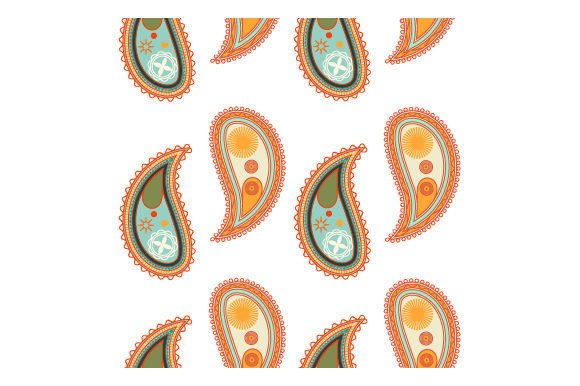
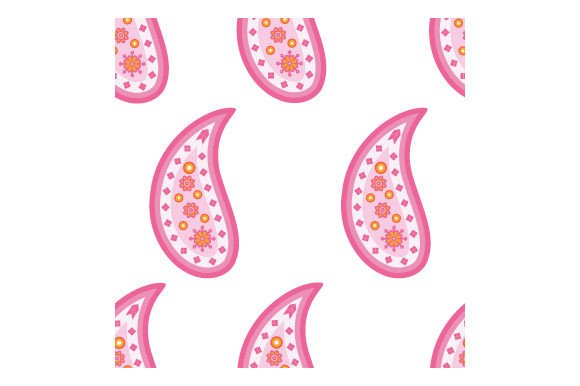
The moment you see the Retro Chic Paisley Pattern, the mood is unmistakable. It strikes a balance between nostalgic warmth and modern clean lines. Unlike some paisley designs that feel cluttered or overly ornate, this one has a specific personality that feels curated rather than chaotic. The shapes are distinct, offering a visual rhythm that suggests movement without demanding too much of the thread.
For a designer, the layout is the first thing that matters. Does it fill the space effectively? Can it be scaled down without losing its soul? This pattern feels like it belongs in the Crafts category where detail meets usability. It creates an atmosphere of boutique quality. It doesn't scream "cheap"; instead, it whispers "handmade with care." That subtle distinction is exactly what separates a hobbyist's work from a professional product line.
Real-World Application: A Custom Tote Bag Project
To truly understand the potential of this file, imagine a scenario. You are preparing for a holiday craft fair, and you need to create a custom embroidered tote bag for a local bakery client. They want something that screams "artisanal" but isn't so intricate that it takes hours to stitch. You decide to use the Retro Chic Paisley Pattern.
Here is where the design shines. Because of its flowing curves, it works beautifully as a corner accent or a central motif on canvas or denim. If you place it on a sturdy canvas tote, the satin stitch edges will define the shape sharply against the rough texture of the fabric. Customers browsing your booth will stop because the contrast between the smooth, retro design and the rugged bag material creates immediate visual interest. It elevates a standard $5 item into a $25 boutique piece.
Similarly, consider a baby onesie or a nursery pillow cover. The paisley theme is timeless, making it perfect for heirloom-quality gifts. The design's clarity ensures that even when stitched in soft pastels on white cotton, the details remain visible. It avoids the "muddy" look that often happens with complex patterns on light fabrics. For an Etsy seller, this means fewer returns due to unclear stitching and higher customer satisfaction scores.
Performance on Different Materials and Garments
Not every project is a flat canvas. When I tested similar files on various substrates, I found that the Retro Chic Paisley Pattern behaves differently depending on the surface. On a flat sweatshirt, the design lays well, but you must account for the stretch of the knit fabric. The pattern's density needs to be balanced so that the fabric doesn't pucker around the edges.
If you are moving into apparel decoration, this design fits perfectly on the chest of a jacket or the back of a t-shirt. However, if you plan to use it on a cap, you need to be strategic. Curved surfaces like hats require careful digitizing adjustments. While the Paisley shape is organic and flows well, tight corners might not hold up on a curved brim unless you are using a high-density stabilizer and a specialized hoop setup. It is better suited for the front panel of a hat or a patch that is sewn onto the cap later.
For kitchen towels or aprons, the design offers a charming update to traditional farmhouse decor. The fill stitch areas provide enough coverage to hide the weave of the fabric, creating a solid block of color that looks professional. This is crucial for commercial projects where consistency is key. You don't want customers seeing gaps in the thread where the fabric shows through.
Where to Exercise Caution
Even a strong design has limitations. There are specific scenarios where the Retro Chic Paisley Pattern might struggle. Small hoop sizes are a primary concern. If you try to shrink this design too much to fit on a tiny baby bootie or a small patch, the fine details may disappear entirely. The curves could merge, turning a crisp paisley shape into a blob of thread.
Textured fabrics like heavy wool or loose-weave linen also present challenges. The needle might push the fabric too much, causing the design to distort. Similarly, dark fabrics require a different approach. If the design relies on negative space or thin lines, they might get lost against a black background unless you use a heavy underlay or a contrasting thread color. Always test on scrap fabric first to ensure the stitch density is appropriate for the specific material you are using.
Impact on Brand and Product Value
In the handmade market, visual appeal directly correlates to perceived value. A well-executed embroidery project signals professionalism. When a customer receives a personalized gift with the Retro Chic Paisley Pattern stitched cleanly, they perceive the entire brand as trustworthy. The design acts as a badge of quality.
This is particularly important for Etsy sellers and small shop owners. Your listings rely heavily on mockups and photos. A clear, sharp design translates well into digital previews, helping buyers visualize the final product. It reduces buyer hesitation because the design assets look polished before they even buy. Furthermore, the versatility of the pattern allows for brand consistency across different items—whether it is a tote bag design, a sweatshirt embroidery, or a kitchen towel, the aesthetic remains cohesive.
Practical Designer Notes for Success
Before you commit to a full production run, there are several technical steps you must take. First, always check the file formats provided. You mentioned receiving SVG, Transparent PNG, EPS, DXF, and other files. Ensure you open the correct version for your software. If you are working with a digitizing program, verify the hoop size requirements listed in the documentation.
Thread color selection is another critical factor. The retro vibe often calls for warm tones, but you must ensure sufficient contrast with your fabric. Run a quick black-and-white mockup to check the tonal values; if the design looks flat in grayscale, it might lack definition in color. Also, inspect the small details closely. Are there any isolated stitches that might break easily during washing? These are the weak points that can ruin a finished product after a few cycles.
Don't forget the stabilizer. Using the wrong type can lead to puckering or shifting, which ruins the symmetry of the paisley. Finally, confirm the licensing terms. If you plan to sell finished items or use the digital embroidery file in a commercial capacity, ensure you have the right permissions. Many designers overlook this until it is too late.
Final Thoughts on the Design
The Retro Chic Paisley Pattern is more than just a decorative element; it is a tool for building a brand. It offers the right mix of style and functionality for a wide range of applications, from holiday embroidery gifts to everyday custom apparel. By understanding its strengths and respecting its limitations, you can create finished products that stand out in a crowded market. Whether you are a hobbyist making a unique gift or a craft business owner scaling your operations, this design asset provides a solid foundation for creative success.