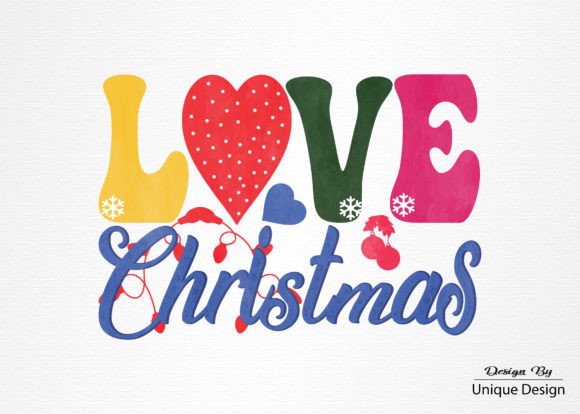
Love Christmas, Retro Sublimation Design: A Designer's Review
When I first opened the file for Love Christmas, Retro Sublimation Design, my immediate thought wasn't about the file format or the stitch count. It was about the vibe. As someone who spends hours evaluating embroidery files for client projects and my own boutique line, I look for that specific spark where a digital graphic transforms into a tactile piece of art. This design brings a nostalgic warmth to the table, perfect for the holiday season but with enough retro flair to stand out in a sea of generic Santa and reindeer motifs.
The prompt describes this as a sublimation design originally intended for mugs and various surfaces, yet there is something inherently versatile about its layout that begs to be stitched. The "retro" aesthetic suggests bold lines and perhaps a slightly distressed or vintage color palette, which translates beautifully when interpreted through thread. However, before we dive into the specifics of how it handles on fabric, let's talk about the first impression. The design feels friendly and approachable. It doesn't scream luxury; instead, it whispers "handmade with love," which is exactly the sentiment you want to convey in your finished products.
From Digital File to Finished Product: A Real-World Scenario
Let me take you through a real scenario I recently faced while preparing for the holiday rush. I had a client request a custom embroidered tote bag for a local craft fair. They wanted something that screamed "Christmas" but felt modern and not cliché. I pulled up Love Christmas, Retro Sublimation Design in my digitizing software to see if it could work as a machine embroidery design.
The challenge here is bridging the gap between a sublimation print and an embroidered texture. Sublimation relies on ink soaking into polyester fibers for vibrant, continuous tones, whereas embroidery relies on the physical presence of thread. When I visualized this design on a canvas tote bag, I imagined using a satin stitch for the main text to give it that glossy, raised feel typical of high-end apparel decoration. The retro curves would catch the light differently than a flat print, adding depth that customers can actually touch.
If I were to use this for a sweatshirt embroidery project, the design would likely shine even more. The heavier weight of fleece provides a stable foundation for the fill stitches required by the retro elements. Imagine a cream-colored crewneck with the design stitched in deep forest green and burgundy threads. The contrast would pop, and the "retro" aspect would feel authentic rather than forced. It fits perfectly into the narrative of a small shop product selling personalized gifts to families looking for something unique.
Where This Design Shines Best
In my experience reviewing thousands of graphics, certain designs have a natural home. Love Christmas, Retro Sublimation Design feels most at ease on medium-to-large surface areas where the details can breathe. Here is where I believe it excels:
- Custom Apparel: Sweatshirts and heavy cotton t-shirts are ideal. The fabric holds the structure of the design well, preventing the puckering that often happens with lighter materials.
- Holiday Embroidery Projects: Pillow covers and kitchen towels benefit from the cozy, festive mood. The design acts as a focal point without overwhelming the room's decor.
- Baby Embroidery: For baby clothes, the retro style offers a timeless look that parents love. Just ensure the hoop size allows for gentle placement on delicate fabrics.
- Embroidered Patches: If you plan to create a detachable patch, this design has enough character to stand alone as a badge of identity for a brand.
- Craft Business Merchandise: Tote bag designs made with this file can elevate a simple accessory into a statement piece for an Etsy seller or craft fair vendor.
The versatility extends to commercial embroidery projects as well. Because the theme is universally appealing, it works for corporate holiday gifts, church events, or community fundraisers. The "Retro" tagline adds a layer of sophistication that moves it away from cheap-looking novelty items.
Navigating the Challenges: Where Caution is Key
However, every designer knows that a beautiful file doesn't guarantee a perfect result. There are specific scenarios where Love Christmas, Retro Sublimation Design requires careful handling. One major consideration is the transition from sublimation to embroidery. If the original design contains very fine, intricate details meant to be printed, those might get lost in the stitching process.
I would advise against using this design on small hoop sizes unless the digitizer has simplified the details. Tiny lettering or delicate corners often blur when stitched, especially on textured fabrics like bouclé or chunky knits. If you are working with thin fabric, such as a lightweight summer tee, the density of the stitches could cause the material to pucker significantly. In these cases, a stabilizer is non-negotiable, and you must test the tension settings beforehand.
Another area to watch is dark fabric. While sublimation thrives on white backgrounds, embroidery on black or navy requires high-quality thread colors to maintain visibility. If the design relies on subtle shading (which is common in retro styles), it might look muddy on a dark background. You may need to adjust the thread colors or add a light underlay to make the design pop.
Curved surfaces like caps present another hurdle. While the design is flexible, the curvature of a cap can distort the perspective of the text. I recommend checking whether the design works for both personal and commercial projects on curved surfaces by running a mockup on a cap frame. If the design includes dense stitch areas, it might be too stiff for a soft hat brim, affecting the drape and comfort of the garment.
Practical Notes for the Discerning Designer
Before you commit to using Love Christmas, Retro Sublimation Design in a final production run, there are several technical steps you should take. First and foremost, test the design on scrap fabric. This is the golden rule of embroidery. You need to see how the stitch density interacts with your specific fabric choice. Does the thread pull? Is the back side messy?
Review the stitch types carefully. A mix of satin stitch for outlines and fill stitch for blocks will give the best results, but running stitch might be needed for finer details. Ensure that the thread colors you select provide enough contrast against your fabric texture. A matte thread on a shiny fabric might look dull, while a metallic thread on a rough burlap sack might get caught.
Confirm your hoop size early. If the design is large, you might need a multi-hoop setup, which increases the risk of alignment errors. Always inspect small details under magnification to ensure they won't disappear during the stitching process. It is also wise to test it in black and white mockups to check the value distribution—does the design hold its shape without relying solely on color?
Finally, consider the licensing. Since this is a digital embroidery file, you must confirm whether you are allowed to sell finished items created with it. Some licenses allow for single-use commercial projects, while others require a broader commercial license for mass production. Check the terms provided with the file to avoid legal issues down the road.
Final Thoughts on Visual Appeal and Value
Ultimately, the success of any embroidery project comes down to the perceived value. A well-executed Love Christmas, Retro Sublimation Design elevates a product from a generic item to a cherished keepsake. Customers trust brands that pay attention to detail, and nothing says "professional" like clean stitches and balanced composition.
This design has the potential to be a standout asset in your portfolio of design assets. Whether you are creating printable mockups for your online store or producing physical goods for a boutique, the retro charm offers a distinct visual personality. It connects with buyers on an emotional level, evoking memories of past holidays and the joy of handmade gifts.
By treating this file with respect and understanding its limitations, you can transform a simple graphic into a stunning piece of textile art. So, grab your hoops, pick your threads, and get ready to bring this festive design to life. With the right technique, Love Christmas, Retro Sublimation Design will not only meet your expectations but exceed them, becoming a staple in your collection of holiday embroidery projects.