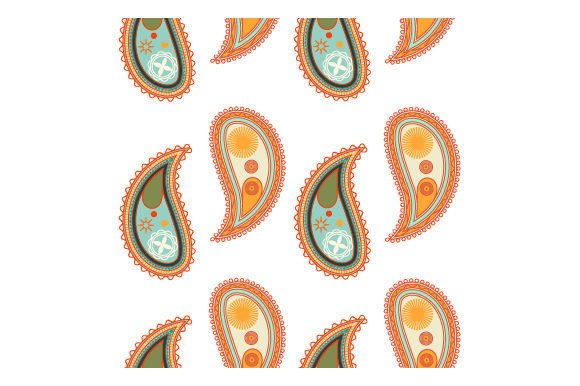
Real-World Review: Retro Paisley Pattern for Embroidery
As a designer who has spent years stitching, selling, and reviewing digital assets for the craft community, I know that a pretty image on a screen does not always translate to a beautiful finished product. You need more than just a visual; you need a reliable embroidery file that behaves well under the needle. Recently, I put the Retro Paisley Pattern through its paces to see if it deserves a spot in my library for upcoming client projects and small business merchandise.
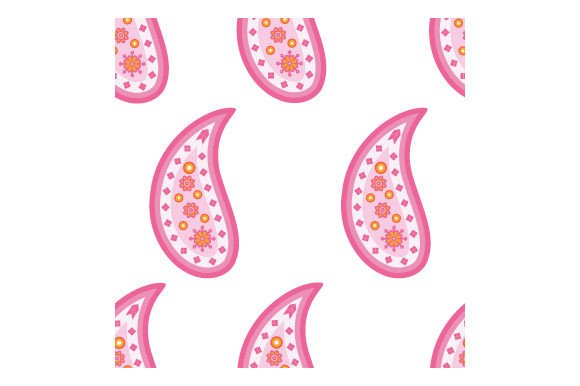
The first impression of the Retro Paisley Pattern is one of nostalgic charm. It captures that specific mid-century aesthetic without feeling dated or overly fussy. The curves are fluid, and the teardrop shapes have a distinct personality that suggests warmth and approachability. When I opened the design files, which include SVG, Transparent PNG, EPS, DXF, and other formats, the clarity was immediately apparent. This isn't just a simple outline; it has enough depth to hold up as a standalone piece of art or a sophisticated accent on a garment.
From Screen to Stitch: A Real Project Scenario
To truly test this design, I decided to use it for a practical scenario rather than just a quick test run. I was preparing a batch of custom embroidered tote bags for a local boutique that specializes in handmade kitchen goods. The owner wanted something that felt artisanal but could appeal to a wide range of customers looking for a unique gift. The Retro Paisley Pattern seemed like the perfect candidate for a large-scale applique design or a dense fill stitch on a heavy canvas bag.
I started by selecting a natural-colored cotton canvas for the tote. The contrast between the fabric texture and the smooth lines of the paisley motif was striking. As I loaded the hoop, I noticed how the layout of the design naturally guides the eye. Unlike some busy patterns that feel chaotic when stitched, this design breathes. It allows the fabric texture to peek through in the negative spaces, adding to the handmade quality that buyers love. The result was a finished product that looked professional and polished, elevating the perceived value of the tote bag significantly.
This kind of versatility is exactly what makes the Retro Paisley Pattern so valuable for craft business owners. Whether you are creating a holiday gift set with matching aprons or designing a line of baby clothes, this pattern adapts well to different scales. I also tested a smaller version on a sweatshirt pocket. The retro vibe fit perfectly with the casual, cozy nature of the apparel, proving that this design is not limited to home decor but works beautifully in custom apparel too.
Where This Design Shines
In my experience, certain designs are better suited for specific applications. The Retro Paisley Pattern excels in areas where visual impact and brand consistency matter. For Etsy sellers and small shop products, having a cohesive look across your listings is crucial. This pattern offers a strong visual identity that can be used on embroidered patches, pillow covers, and even tea towels.
The design's structure supports various stitching techniques. If you are using a satin stitch for the outlines, the curves remain crisp and defined. However, if you opt for a fill stitch to create a solid block of color, the density holds up without puckering the fabric, provided you use the correct stabilizer. This flexibility is essential for commercial embroidery projects where time and efficiency are money. You don't want to waste hours troubleshooting a design that doesn't lay flat.
For those creating personalized gifts, the retro theme adds a layer of emotional connection. People often associate paisley with tradition and craftsmanship, making it an excellent choice for wedding gifts or anniversary presents. The design feels timeless, which means your finished product won't look out of style next year. This longevity is key for building trust with customers who want their purchases to last.
Practical Considerations and Potential Pitfalls
While the Retro Paisley Pattern is a strong contender, no design is perfect for every situation. As a reviewer, I believe it is my duty to point out where caution is needed. One area to watch closely is the hoop size. While the design looks great on larger items like tote bags or blankets, attempting to stitch the full detail in a very small hoop might result in lost definition. The intricate corners of the paisley shape require enough space to execute properly.
Fabric choice is another critical factor. The design performs best on stable, woven fabrics like cotton, linen, or denim. If you plan to use this on stretchy materials like jersey knit or thin synthetic blends, you must be extremely careful with your stabilizer selection. Without adequate backing, the tension of the stitches could distort the fabric, ruining the delicate curves of the pattern. Similarly, on dark fabrics, thread color contrast becomes paramount. I recommend testing your thread palette before committing to a large production run.
Another consideration is the complexity of the design itself. If you are new to machine embroidery, the transition between different stitch types within the paisley motif might require some practice. It is not a beginner-friendly "one-stitch" design, but for experienced users, the challenge results in a higher-quality finish. Always remember to inspect small details and test the design on scrap fabric first. This step saves you from costly mistakes and ensures your finished product meets your high standards.
Technical Notes for the Designer
Before you dive into production, there are a few technical checks you should perform. First, review the stitch density in your digitizing software. Ensure that the design is optimized for your specific machine capabilities. If the file includes multiple layers, verify that they align correctly during the stitching process. Also, check whether the design works for both personal and commercial projects, as licensing terms can vary.
If you are creating printable mockups for your online store, the included SVG and PNG files are invaluable. They allow you to visualize the design on various backgrounds and products without needing to stitch every single item. This helps in marketing your design assets effectively to potential buyers. However, never rely solely on the mockup; always stitch a physical sample to confirm the look and feel.
Finally, consider the durability of the final product. Since the Retro Paisley Pattern involves detailed areas, frequent washing can sometimes cause wear if the thread quality is low. Use high-quality threads and ensure the back of the work is clean and free of loose stabilizer remnants. This attention to detail will enhance the handmade presentation and keep your customers happy for years to come.
In conclusion, the Retro Paisley Pattern is a versatile and visually appealing addition to any embroidery collection. Its retro charm and adaptability make it suitable for a wide range of projects, from holiday embroidery to everyday accessories. By understanding its strengths and limitations, you can leverage this design to create stunning, marketable products that stand out in a crowded marketplace. Whether you are a hobbyist looking to make a special gift or a creative entrepreneur building a brand, this pattern offers a solid foundation for success.