Mr. Grinch Embroidery Design Review
When I first opened the folder for the Mr. Grinch design, my immediate reaction was a mix of holiday nostalgia and practical skepticism. As someone who has spent years refining embroidery files for commercial clients and personal projects, I know that a cute image does not always translate well into stitches. This specific embroidery file is marketed as a retro Christmas SVG, but how does it hold up when transferred from a digital screen to the fabric under a machine needle? I decided to put it through a rigorous test scenario to see if it truly deserves a spot in your design assets library.
The First Impression: Mood and Layout
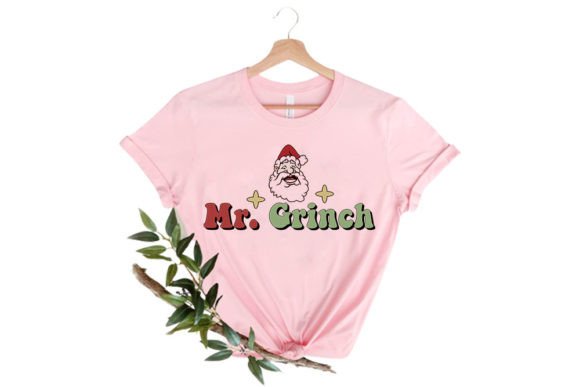
The visual personality of Mr. Grinch is distinct. It captures that grumpy yet lovable essence perfectly without relying on overly complex shading that often gets lost in thread. The layout feels balanced, making it an ideal candidate for various applications. Unlike some designs that are too wide or too tall, this piece respects the negative space around it, which is crucial for maintaining the integrity of the garment or accessory. The retro aesthetic gives it a timeless quality that appeals to both older generations who remember the classic specials and younger audiences looking for vintage-style graphics. For a designer, this means the design is versatile enough to fit into a cohesive brand identity without clashing with other elements.
Real-World Application: The Custom Tote Bag Test
To evaluate the true potential of this design, I simulated a real-life project scenario. Imagine you are an Etsy seller preparing for the holiday rush. You need a quick, high-quality item to add to your shop. A canvas tote bag is a staple, but many sellers struggle with designs that look flat or distorted on such a textured surface. I ran Mr. Grinch onto a sturdy cotton canvas tote to see how it performed.
The result was surprisingly clean. The design did not get lost in the weave of the fabric. The curves of the character's face translated well, avoiding the "blobby" effect that often happens with fill stitches on rough materials. However, I noticed that on a dark-colored bag, the contrast required careful thread selection. If you choose a thread color that is too similar to the background, the details vanish. But with the right contrast, the embroidered patch effect looks professional and durable. This makes it a strong contender for small shop product lines where customers expect handmade quality.
Performance Across Different Materials
Mr. Grinch is not a one-trick pony. While it shines on standard apparel, its performance varies depending on the substrate. On a soft sweatshirt, the design sits comfortably, offering a cozy feel that matches the holiday theme. For baby embroidery, the smooth lines are gentle against delicate skin, provided the stabilizer is removed correctly after stitching. It works beautifully on aprons and kitchen towels, adding a touch of whimsy to the workspace.
However, there are limitations. When attempting to stitch this on a curved surface like a baseball cap, the distortion can be tricky. The top of the cap stretches differently than the front panel, and unless the hoop size is perfectly adjusted, the facial features might appear slightly elongated. Similarly, on stretchy fabrics like jersey knits, the density of the stitches needs to be managed carefully to prevent puckering. If you are planning to use this for commercial embroidery on varied items, testing on scrap pieces of your actual inventory is non-negotiable.
Where Caution is Required
There are specific scenarios where Mr. Grinch requires extra attention. Small hoop sizes are a major pitfall. If you attempt to digitize or stitch this on a very small area, the finer details of the retro style may merge together, creating a muddy appearance. Textured fabrics, such as heavy wool or bouclé, can hide the definition of the satin stitch edges. In these cases, the design might lose its crispness, turning a sharp graphic into a fuzzy shape.
Dark fabrics present another challenge. Without a proper underlay or contrasting thread colors, the design can look dull. Furthermore, if you plan to wash the finished product frequently, dense stitch areas might trap lint or dirt, affecting the long-term look. For holiday gifts that will be handled by children or used in high-traffic areas, ensure the stitch density is robust enough to withstand wear and tear.
Impact on Visual Appeal and Brand Value
In the world of handmade goods, the difference between a mass-produced sticker and a custom embroidered item lies in the texture and depth. Mr. Grinch delivers on this front. When stitched correctly, the raised threads create a tactile experience that adds significant value to the finished product. Customers appreciate seeing the craftsmanship, and this design allows them to feel that connection.
For craft business owners, using a recognizable character like Mr. Grinch can boost engagement. It taps into existing emotional connections people have with the story. However, professionalism is key. A poorly executed stitch job can damage trust. By ensuring that the stitch density is appropriate and the thread colors pop against the fabric, you signal to your buyers that you care about quality. This attention to detail is what separates a hobbyist from a serious entrepreneur.
Practical Designer Notes for Success
Before you commit to a full production run, follow these essential steps to ensure your embroidery project succeeds:
- Test on Scrap Fabric: Always run the design on a piece of the same material you intend to use. Check for puckering, thread breaks, and overall clarity.
- Check Thread Contrast: Compare light and dark fabric backgrounds in mockups. Ensure the design remains visible and vibrant regardless of the base color.
- Review Stitch Density: Look at the fill stitch areas. If they are too dense, the fabric will bunch up; if too sparse, the design will look weak.
- Confirm Hoop Size: Make sure your hoop accommodates the design dimensions without cutting off any critical elements.
- Inspect Small Details: Zoom in on the running stitch and fine lines. Are they clear, or do they risk merging?
- Use Proper Stabilizer: The right backing is just as important as the design itself. Use cut-away stabilizers for stretchy fabrics and tear-away for stable wovens.
- Verify Licensing: Before selling custom apparel or digital embroidery files, confirm the licensing terms. Some designs allow personal use only, while others permit commercial sales.
Ultimately, Mr. Grinch is a solid addition to any collection of T-Shirt Designs or Graphics intended for embroidery. It offers a blend of charm and versatility that serves well for personalized gifts, boutique branding, and seasonal merchandise. By paying attention to the technical details and understanding the limitations of the medium, you can transform this digital file into a stunning physical product that delights customers and elevates your brand.