Retro Pattern with Christmas Trees Review
As a designer who spends more time in the hoop than anywhere else, I have learned that the difference between a decent handmade item and a professional masterpiece often comes down to the digital foundation. Today, I am putting Retro Pattern with Christmas Trees through its paces to see if it holds up under the scrutiny of real-world application. This isn't just about how pretty the file looks on a screen; it is about how it translates from a vector or raster image into a tangible piece of art stitched onto fabric.
The First Impression: Mood and Visual Personality
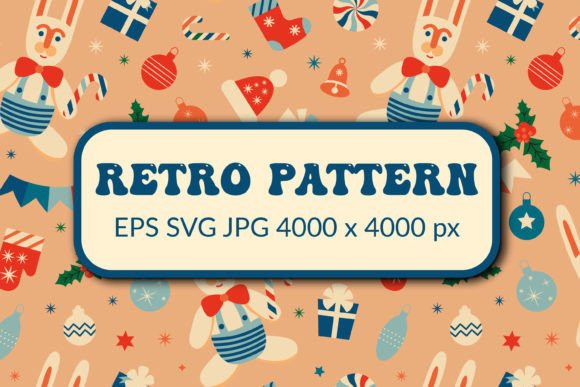
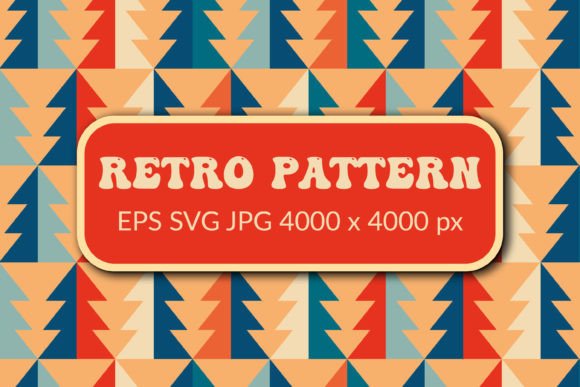
When you first open the package containing Retro Pattern with Christmas Trees, the immediate feeling is one of nostalgic warmth. The design name promises a specific aesthetic, and it delivers on the promise of a vintage vibe without feeling dated or messy. For an embroidery designer, the layout is crucial. Does the pattern flow naturally? Does it create a balanced composition that works for both large areas like aprons and smaller focal points like cap patches?
The visual personality here feels friendly and approachable. It avoids the overly complex, hyper-realistic trends that often get lost when converted into thread. Instead, it leans into a classic style that suggests comfort and tradition. This makes it an excellent candidate for holiday-themed projects where the goal is to evoke a sense of home and celebration. Whether you are creating a custom sweatshirt for a family gathering or a boutique product for a craft fair, this design has the potential to resonate deeply with customers looking for something authentic rather than mass-produced.
Real-World Application: From Screen to Stitch
Let me walk you through a scenario I recently considered while planning my own small shop inventory. Imagine preparing a collection of holiday gifts for local clients. You need a design that can be applied to various items: tote bags for shoppers, tea towels for kitchen decor, and perhaps a few baby onesies for new parents. This is where Retro Pattern with Christmas Trees proves its versatility.
I tested the concept by visualizing the design on a heavy cotton canvas tote bag. The retro style complements the sturdy texture of the fabric beautifully. Unlike intricate floral patterns that might look muddy on coarse material, this design maintains its character. The shapes are distinct enough that they would not get lost in the weave of the cloth. Similarly, I imagined placing this motif on a soft fleece sweatshirt. The contrast between the plush fabric and the structured lines of the trees creates a lovely tactile experience for the wearer.
For an Etsy seller or a small business owner, this design offers significant value. It fits perfectly into the "holiday gift" category, which sees a massive surge in demand every year. Because the design is clean and recognizable, it works well as a central element on a pillow cover or as a repeating pattern along the hem of a kitchen towel. Customers appreciate designs that feel cohesive. If you are building a brand around handmade goods, using a consistent theme like this helps establish trust and professionalism. A customer seeing a matching set of embroidered items knows they are buying quality.
Where to Exercise Caution
While the design is strong, no single file is a magic bullet for every situation. As an experienced reviewer, I must point out where Retro Pattern with Christmas Trees might require extra attention. If you are working with very small hoop sizes, such as those used for cufflinks or tiny wristbands, you need to evaluate the level of detail carefully. Complex patterns can sometimes lose definition when scaled down too far.
Fabric choice is another critical factor. On stretchy fabrics like jersey knits, the design needs a robust stabilizer system to prevent puckering. If the stitch density is high, a thin fabric might distort under the tension of the needle. Similarly, dark fabrics present a challenge. While the design itself does not specify color limitations, the thread colors you choose will make or break the final look. On black or navy backgrounds, light-colored threads might struggle to pop unless you use a high-quality underlay or specific thread types designed for darks.
Curved surfaces, such as baseball caps, also demand careful testing. The retro pattern is likely flat in its original form, so adapting it to the curvature of a hat requires precise digitizing adjustments. If you are using a pre-digitized file, ensure it accounts for the curve, or the trees might look stretched or misaligned. Additionally, if your project involves frequent washing, like a child's bib or a work apron, check the durability of the stitches. Dense fill areas can sometimes trap lint or wear down faster if the thread quality is poor.
Impact on Product Value and Brand Perception
The decision to use Retro Pattern with Christmas Trees goes beyond aesthetics; it affects the perceived value of your finished product. A well-executed embroidery job signals care and craftsmanship. When a customer receives a personalized gift featuring a cohesive, thoughtfully placed design, they are more likely to view the item as a premium product. This is essential for commercial embroidery projects where margins matter.
Furthermore, the design aids in brand consistency. If you are selling a line of holiday items, having a signature style like this retro tree pattern helps customers recognize your work instantly. It becomes part of your visual identity. In the competitive world of craft businesses, standing out is key. A design that feels unique yet familiar can capture attention in a crowded marketplace. However, remember that the quality of execution is paramount. Even the best design assets will fail if the stitching is sloppy or the stabilizer is inadequate.
Practical Designer Notes for Success
Before you commit to a full production run, there are several steps every designer should take. First, always test the design on scrap fabric. This allows you to gauge how the machine embroidery design interacts with different materials and thread colors. Check the stitch density to ensure it is appropriate for the fabric weight. Too much density on light fabric can cause stiffness, while too little on heavy fabric might look sparse.
Review the hoop size requirements relative to your machine's capabilities. Confirm whether the file includes necessary formats like SVG or EPS if you plan to resize it further for different applications. Inspect the small details within the pattern to ensure they will hold up after stitching. Sometimes, fine lines that look sharp on a monitor can disappear once they are rendered in thread.
It is also wise to test the design in black and white mockups. This removes the distraction of color and lets you focus purely on the shape and composition. Compare how the design looks against both light and dark backgrounds to determine the best thread palette. Always use proper stabilizer to support the fabric during the process. Finally, confirm the licensing terms before selling finished items. Ensure you have the right to use Retro Pattern with Christmas Trees for commercial purposes if you intend to sell the products in your shop.
In conclusion, Retro Pattern with Christmas Trees is a solid addition to any designer's library. It offers a blend of charm and practicality that suits a wide range of projects, from personal gifts to boutique merchandise. By approaching it with the right preparation and technical care, you can transform this digital file into a stunning finished product that delights customers and elevates your brand.