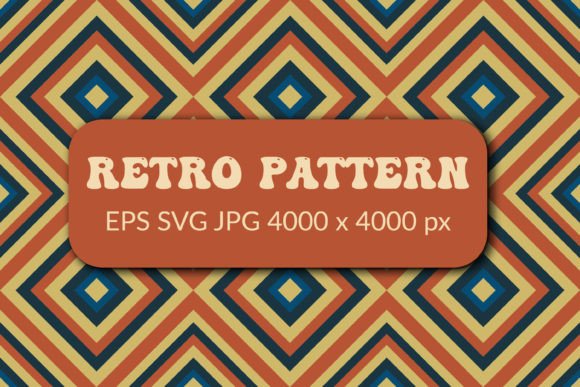
Geometrical Retro Pattern in 1950s: A Designer's Review
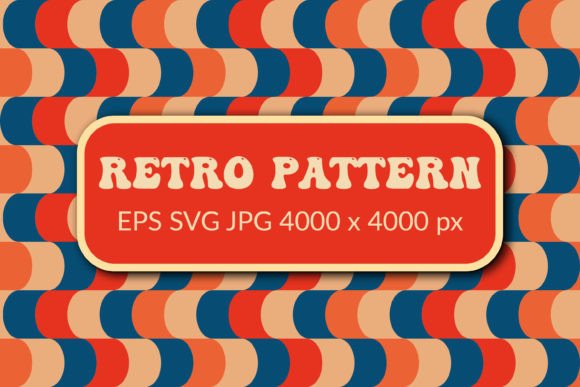
When I first opened the folder for Geometrical Retro Pattern in 1950s, I didn't just see a graphic; I saw a mood. As someone who spends hours evaluating digital assets for real-world embroidery projects, my immediate reaction was one of curiosity mixed with professional caution. The aesthetic is undeniably nostalgic, capturing that mid-century modern charm with clean lines and bold shapes. But does it translate well from a screen to a needle? That is the question every serious embroiderer needs to answer before clicking "stitch."
The First Impression: Mood and Visual Personality
The design immediately evokes a sense of structured elegance. It feels like something you might find on a vintage kitchen appliance or a classic diner menu board. The geometric nature of the pattern suggests precision, which is a double-edged sword in machine embroidery. On one hand, straight lines and sharp angles can look incredibly crisp if the stitch density is managed correctly. On the other hand, they are unforgiving of poor tension or unstable fabric.
This isn't a fluffy, romantic floral motif that hides imperfections. It demands attention to detail. For a small business owner or an Etsy seller looking to create boutique branding, this asset offers a unique selling point: a cohesive, retro-modern look that stands out against the sea of generic script fonts and watercolor florals often found in handmade shops. It feels confident, timeless, and ready to be applied to high-quality materials.
Real-World Application: From Screen to Stitch
I recently considered using Geometrical Retro Pattern in 1950s for a custom embroidered tote bag project intended for a local craft fair. The goal was to create a durable, stylish accessory that would appeal to shoppers looking for functional yet fashionable items. The vector formats provided, including SVG files for Cricut and EPS Version 10, made the initial preparation seamless. However, the true test lies in how the design behaves under the presser foot.
For a tote bag, the stability of the canvas is key. The geometric shapes work exceptionally well here because the fabric provides a solid foundation. I imagined the design stitched in a contrasting thread color, perhaps a deep navy or mustard yellow against a natural canvas background. The fill stitches would need to lay flat without creating excessive bulk, which could distort the sharp corners of the pattern. If executed correctly, the finished product would have a professional, almost industrial chic vibe that customers would associate with quality craftsmanship.
Beyond totes, this design has potential for sweatshirt embroidery. Imagine the pattern centered on the chest of a heavyweight cotton hoodie. The retro feel would complement the casual comfort of the garment perfectly. It could also serve as a striking element on a baby item, such as a onesie or a nursery pillow cover. In these cases, the design acts as a focal point, drawing the eye with its symmetry and clean lines. It transforms a simple piece of clothing into a statement piece, increasing the perceived value of the handmade product.
Where to Exercise Caution
While the design is versatile, there are specific scenarios where Geometrical Retro Pattern in 1950s requires careful consideration. Small hoop sizes are a primary concern. Geometric patterns often rely on negative space and precise alignment. If you attempt to shrink this design down too much for a small cap patch or a tiny accessory, the details may become muddy. The corners might lose their definition, turning sharp angles into soft blobs, which defeats the purpose of the retro aesthetic.
Textured fabrics present another challenge. Embroidery relies on the contrast between the thread and the fabric surface. On a heavily textured material, like a chunky knit or a rough linen, the satin stitches used to define the geometric shapes might not lay flat. The thread could catch on the weave, leading to uneven coverage or skipped stitches. Similarly, stretchy fabrics like jersey require extra stabilizer support. Without proper stabilization, the tension of the stitching could cause the fabric to pucker, distorting the geometric layout and making the finished product look amateurish.
Dense stitch areas within the pattern can also lead to stiffness. If the design includes large blocks of fill stitch, the resulting embroidery will be rigid. This is fine for a wall hanging or a sturdy apron, but it might be uncomfortable for a garment worn directly against the skin, such as a baby outfit or a fitted t-shirt. In these instances, I would recommend reducing the stitch density or using a running stitch outline instead of a solid fill to maintain flexibility.
Impact on Brand and Customer Trust
In the world of commercial embroidery, visual appeal directly correlates to customer trust. A poorly digitized design or one that doesn't fit the fabric properly signals a lack of professionalism. Geometrical Retro Pattern in 1950s, when executed well, elevates the entire brand. It suggests that the creator understands design principles and takes pride in the final result. Customers are more likely to pay a premium for a personalized gift or a custom apparel item that looks polished and intentional.
The retro theme also taps into a strong emotional connection. Many buyers are drawn to vintage aesthetics for their warmth and nostalgia. By incorporating this design into holiday gifts or wedding favors, sellers can leverage that emotional resonance to drive engagement. The clean lines of the pattern make it easily recognizable even from a distance, which is crucial for craft fair displays or online listings where photos are the primary way customers evaluate the product.
Practical Notes for the Embroidery Designer
Before committing to a full production run, always test the design on scrap fabric first. This step is non-negotiable. You need to verify how the thread colors interact with your specific fabric choice. High contrast is usually best for geometric designs to ensure clarity. Check the stitch density carefully; if the fill is too dense, the fabric may warp. If it is too sparse, the design may look thin and cheap.
Confirming the hoop size is essential. Ensure that the design fits comfortably within your machine's hoop dimensions without requiring awkward re-hooping, which can misalign the pattern. Inspect the small details closely. Sometimes, what looks perfect on a high-resolution monitor can suffer when reduced in size during digitization. If you plan to use the design for both personal and commercial projects, review the licensing terms thoroughly. The product description mentions subscribing for news, but it does not explicitly state the commercial usage rights, so verification is necessary before selling finished items.
Finally, consider the washing instructions. Geometric patterns with heavy stitch density can sometimes trap lint or dirt. Advise your customers on proper care to ensure the longevity of the Geometrical Retro Pattern in 1950s embroidery. Use proper stabilizer to prevent shifting, and check whether the design works well for both light and dark fabric backgrounds by testing black and white mockups.
Ultimately, Geometrical Retro Pattern in 1950s is a strong asset for any creative entrepreneur looking to add a touch of mid-century flair to their portfolio. It offers a blend of style and structure that, when paired with skilled execution, results in a finished product that is both beautiful and commercially viable. Whether you are crafting a custom apron, designing a boutique logo, or creating a heartfelt holiday gift, this design provides a solid foundation for success.