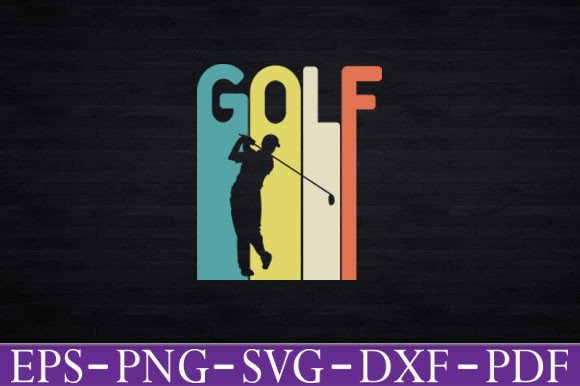
Golf Retro T-Shirt Funny Golfer Review
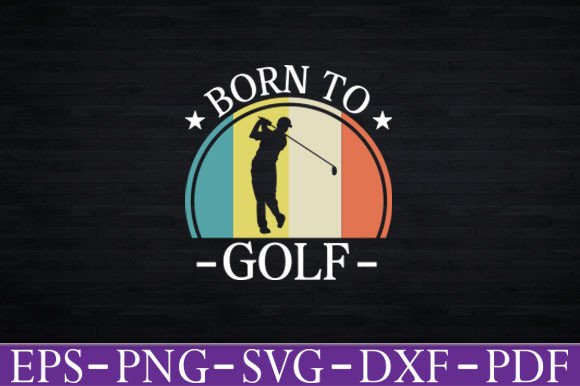
When I first opened the file for Golf Retro T-Shirt Funny Golfer, my initial reaction was a mix of nostalgia and practical curiosity. As someone who has spent years stitching designs onto everything from denim jackets to baby onesies, I don't just look at an image; I visualize the stitches. This design screams "vintage summer," evoking the feeling of a relaxed afternoon on the green with a cold drink in hand. The retro aesthetic is distinct, but the real question for any serious crafter or small business owner is: does this translate well into a physical machine embroidery design?
The concept of T-Shirt Designs often gets bogged down in generic clip art, but Golf Retro T-Shirt Funny Golfer attempts something different. It aims for that specific charm that makes people smile when they see it. However, before you rush to load this into your hoop, we need to talk about how it performs in the real world. I recently put this digital asset through a trial run, imagining it as part of a custom boutique collection for a local golf club event.
Visual Personality and Design Intent
The mood of Golf Retro T-Shirt Funny Golfer is undeniably lighthearted. It isn't trying to be high-end corporate branding; it is designed to be fun, approachable, and conversational. When looking at the layout, the visual personality suggests a design that belongs on soft, casual fabrics. It feels right at home on a cotton t-shirt, a canvas tote bag, or even a cozy sweatshirt.
For the embroidery project itself, the shape and theme create a strong focal point. The retro style implies bold lines and perhaps a slightly distressed texture if rendered correctly in thread. But here is where the designer's eye comes in: does the detail level hold up? If the original graphic relies too heavily on tiny gradients or extremely fine lines, those details can get lost in the fabric weave. In my experience, designs like this work best when they embrace the limitations of thread rather than fighting against them.
Real-World Application Scenarios
Let's imagine a specific scenario. You are preparing for a holiday gift season or launching a new line of small shop products. You decide to use Golf Retro T-Shirt Funny Golfer to create a set of personalized gifts for a client who loves the sport. You envision embroidering this on a durable apron for their kitchen or a sturdy tote bag for carrying clubs to the course.
In this context, the design shines. The humor resonates with hobbyists, making the finished product feel personal and thoughtful. If you were to use this for commercial embroidery on a batch of caps, the retro vibe could become a signature look for a small brand. It adds character to what might otherwise be a standard piece of merchandise. For an Etsy seller, this kind of design is gold because it targets a specific niche audience that is eager to buy unique, themed items.
I also considered using this for baby embroidery on a onesie. While the text might be a bit mature for a newborn, it would be perfect for a toddler's outfit or a funny nursery decor piece. The versatility extends to holiday embroidery as well; imagine a Christmas ornament featuring this motif for a golfer in the family. The adaptability of the graphic makes it a valuable design asset for creative entrepreneurs looking to expand their catalog without constantly creating new artwork.
Where to Exercise Caution
However, not every surface is created equal, and Golf Retro T-Shirt Funny Golfer has its limits. If you are working with small hoop sizes, you must be careful. A design that looks balanced on a screen might become cramped when stitched on a 4x4 inch area. Tiny lettering or intricate corners can easily get swallowed by the fabric texture if the stitch density is too high or the thread count is insufficient.
Texture is another critical factor. On a rough, textured fabric like heavy tweed or a thick fleece, the definition of the design might blur. Similarly, stretchy fabric requires a very stable base; if the stabilizer isn't adequate, the tension changes during washing, and the design could pucker, ruining the professional look. Dark fabrics present their own challenge. Unless you plan to use a substantial underlay or a contrasting background patch, the colors might not pop as intended.
Curved surfaces like baseball caps require a specialized hoop and machine setup. If the design includes sharp angles or dense fill areas, they may distort on the curve of a hat. Furthermore, if you are creating an item meant for frequent washing, like a kitchen towel or a child's clothing, you need to ensure the satin stitch edges are secure enough to withstand friction. Always inspect the finished product closely after the first wash cycle to ensure durability.
Impact on Brand and Customer Trust
The quality of your embroidery directly influences customer trust. A sloppy execution of a fun design like Golf Retro T-Shirt Funny Golfer can make a handmade product look cheap, whereas a clean, precise stitch job elevates it to a premium item. When buyers see a well-executed design, they perceive higher value and are more likely to recommend your craft business to others.
This design affects the overall presentation of your brand. If your goal is to sell personalized gifts that feel authentic, the retro theme aligns perfectly with a vintage or nostalgic brand identity. It signals that you understand the culture of your customers. Conversely, if the stitching is inconsistent, it breaks the illusion of professionalism. For Etsy sellers and apparel decorators, consistency is key to building a loyal following.
Practical Designer Notes for Success
Before you commit to a full production run, there are essential steps every experienced designer takes. First and foremost, test the design on scrap fabric first. This simple step saves time, money, and frustration. Check the thread color contrast against your chosen fabric to ensure readability. Review the stitch density; if it looks too tight, adjust the settings to prevent puckering.
Confirm the hoop size matches your machine's capabilities and the garment's dimensions. Inspect the small details in your software preview to see if anything is too thin to stitch effectively. Test it in black and white mockups to check the silhouette and balance. Compare how it looks on both light and dark fabric backgrounds, as this will dictate your choice of underlay and thread colors.
Don't forget to use proper stabilizer. The type of stabilizer (cut-away, tear-away, or water-soluble) depends entirely on the fabric you are using. Also, verify whether the design works for both personal and commercial projects. Many creators overlook licensing terms until it is too late. Ensure you have the rights to sell finished items made from this digital embroidery file before listing it on your shop.
Finally, remember that while Golf Retro T-Shirt Funny Golfer is a versatile graphics file compatible with various cutting machines, the translation to embroidery requires specific attention. Whether you are creating a custom apparel piece, an embroidered patch, or a decorative pillow cover, the success lies in the preparation. By taking the time to analyze the design's strengths and weaknesses, you ensure that your final output is not just a novelty, but a high-quality piece of wearable art that your customers will cherish.