Born to Golf Retro Funny Golfer Review
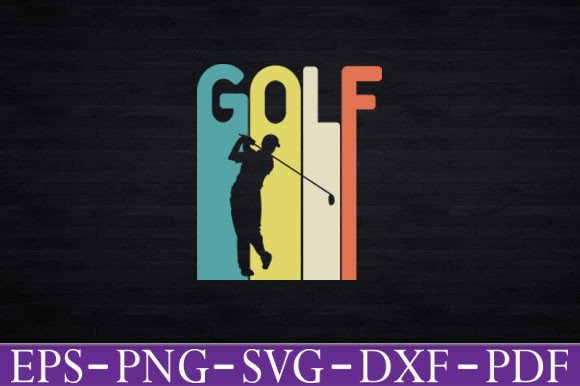
When I first opened the Born to Golf Retro Funny Golfer file, my immediate reaction wasn't about the file formats or the instant download speed. It was about the vibe. As a designer who spends hours tweaking stitch density and selecting thread colors for clients, I look for designs that feel authentic rather than generic. This piece carries a distinct retro energy that suggests it belongs on something worn with pride, not just tucked away in a drawer.
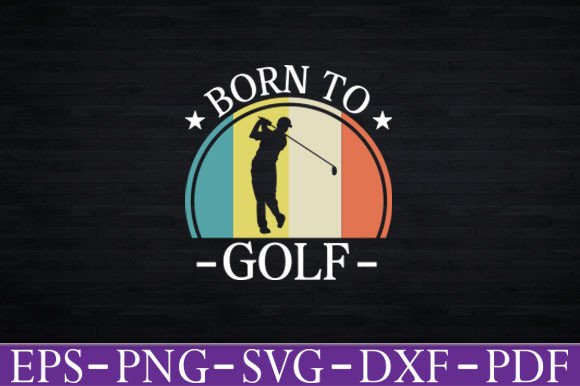
The layout strikes a balance between bold statement and playful humor. The typography feels vintage, reminiscent of classic golf club signage from decades past, which gives it a timeless appeal. For anyone looking to create a machine embroidery design that stands out at a craft fair or an Etsy shop, this is exactly the kind of personality-driven asset that catches the eye. It doesn't scream "mass-produced"; instead, it whispers "handmade with care."
Real-World Application: From Screen to Stitch
Let's talk about how this actually performs when it leaves the digital realm and hits the needle. I recently considered using the Born to Golf Retro Funny Golfer concept for a custom project targeting a niche audience: weekend warriors who take their game seriously but don't take themselves too seriously. My goal was to produce a limited run of embroidered tote bags for a local golf league fundraiser.
The design's clean lines and retro aesthetic translate beautifully onto canvas or heavy cotton twill. When I ran a test on a scrap piece of fabric, the curves of the lettering held up well without excessive puckering. However, the success of this embroidery project relied heavily on the choice of stabilizer. Because the design has some fill areas, using a cut-away stabilizer behind the main body of the bag was essential to maintain the structure. Without it, the fabric would have distorted under the tension of the threads.
This same design could easily transition to a sweatshirt for a family gift or a baby onesie for a future golfer. The "Born to" phrase is particularly versatile. On a small item like a baby cap, the text needs to be legible, and the graphic element shouldn't overwhelm the scale. If you are an Etsy seller planning to list personalized gifts, this design offers a high perceived value because it looks professional and thematic right out of the hoop.
Where the Design Shines
There are specific scenarios where Born to Golf Retro Funny Golfer truly excels. First, it works exceptionally well on apparel designed for outdoor activities. A polo shirt or a windbreaker benefits from the durability of the stitches required by this design. The retro theme pairs perfectly with earth tones or classic navy blues, creating a cohesive brand identity for a boutique golf shop.
For those interested in home decor, imagine this stitched onto a kitchen towel or a pillow cover. The contrast of the stitching against a linen background adds texture and warmth. It transforms a standard household item into a conversation starter. When a customer buys a custom apparel item featuring this design, they aren't just buying a shirt; they are buying into a lifestyle. That emotional connection is what drives repeat business for small creators.
In terms of visual appeal, the design creates a strong focal point. Whether used as a standalone embroidered patch or integrated directly into a garment, it commands attention. The simplicity of the concept allows the thread colors to do the talking. Using a metallic gold thread for the outline or a deep forest green for the fill can elevate the look, making even a budget-friendly product feel premium.
Pitfalls and Practical Considerations
However, no design is perfect for every situation. As an experienced reviewer, I must highlight where caution is needed. The Born to Golf Retro Funny Golfer design contains elements that require careful placement. If you attempt to stitch this on a curved surface like a baseball cap without proper jigs or multi-needle capabilities, the distortion can ruin the retro aesthetic. The text might stretch or compress, breaking the illusion of the vintage style.
Thin fabrics are another concern. While the design looks great on sturdy materials, applying it to a sheer blouse or a lightweight jersey might result in visible holes or a lack of definition. In these cases, the stitch density might be too aggressive, pulling the fabric together unnaturally. Always test on a scrap first to ensure the fabric can support the weight of the thread.
Detailed corners and tiny lettering within the design also demand scrutiny. If your machine struggles with fine details, the intricate parts of the retro font might blur together, especially if you use a single color thread. For dark fabrics, you may need to adjust your thread colors or add a backing layer to prevent the fabric from showing through the lighter stitches. This is crucial for maintaining the professionalism of your finished product.
Technical Notes for the Savvy Designer
Before you commit to a large production run, there are technical steps every designer should take. Start by checking the hoop size compatibility. If the design exceeds your machine's standard hoop, you will need to reposition the fabric, which introduces risks of misalignment. Ensure your file is optimized for the specific software you use, whether it is Brother, Janome, or Bernina.
Thread color selection is paramount. The retro mood relies on specific palettes. Muted tones often work better than neon brights to preserve the vintage feel. When choosing colors, consider the final product's context. A holiday gift might call for festive reds and greens, while a commercial embroidery order for a corporate event might require subdued branding colors.
Don't forget to inspect the design in black and white mockups. This helps you see the balance of light and dark areas without the distraction of color. If the design looks unbalanced in grayscale, it likely needs adjustment before stitching. Also, verify the licensing terms. If you plan to sell finished items, ensure the digital embroidery file allows for commercial use. Selling unauthorized copies of the design itself is a different story, so read the fine print carefully.
Final Thoughts on Value and Trust
Ultimately, the success of a project depends on the trust your customers place in your work. A well-executed Born to Golf Retro Funny Golfer design signals that you pay attention to detail. It shows that you understand the nuances of embroidery design and can deliver a high-quality finished product. Whether you are a hobbyist making gifts for friends or a serious entrepreneur scaling a handmade shop, this asset provides a solid foundation.
It bridges the gap between fun and functional. The humor in the message invites engagement, while the retro styling ensures longevity. By following practical guidelines—testing on scraps, choosing the right stabilizer, and respecting the limits of your equipment—you can turn this digital asset into a tangible success. For anyone looking to expand their catalog of T-Shirt Designs or Graphics, this piece offers a compelling option that balances creativity with commercial viability.
Remember, the best designs are those that survive the journey from screen to stitch without losing their soul. With a little preparation and a lot of care, Born to Golf Retro Funny Golfer can become a staple in your collection of creative assets.