One Love, One Heart: A Designer's Review
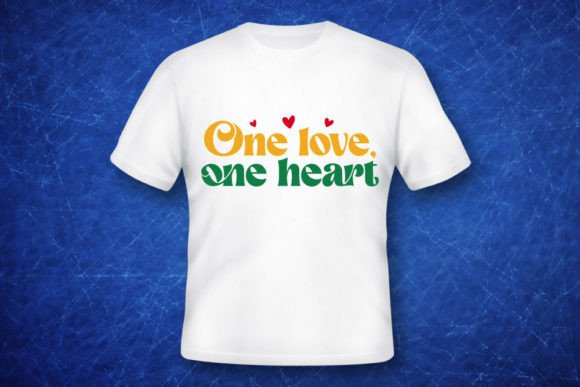
When I first opened the file set for One Love, One Heart, my initial reaction was one of quiet appreciation. As someone who has spent years evaluating digital assets for both personal hobby projects and commercial small business lines, I look past the pretty preview image to see how a design actually behaves under the needle. This retro Valentine's Day SVG design carries a specific mood that feels warm, nostalgic, and undeniably inviting. It is not just another generic heart graphic; it possesses a distinct visual personality that suggests it belongs in spaces where comfort and connection are prioritized.
The layout strikes a balance between bold statement and delicate detail. The typography, paired with the central heart motif, creates a natural focal point that draws the eye immediately. For an embroidery designer, this clarity is crucial. In the world of machine embroidery, a design must communicate its message even when stitched into fabric texture. My first impression is that One Love, One Heart is perfectly suited for custom apparel like sweatshirts or tote bags, where the design can breathe without feeling cramped by seams or hems.
Real-World Application: From Screen to Stitch
Let me walk you through a practical scenario. Imagine you are preparing a batch of handmade products for a local holiday craft fair. You have decided to create a line of personalized baby onesies and matching aprons for parents who want something unique but timeless. You pull up the One Love, One Heart design to test on your machine. The moment you load the file into your digitizing software, the structure becomes apparent.
The retro aesthetic translates well to thread. When I simulated the stitching process, the curves of the text flow naturally, suggesting that the satin stitch areas will lay flat against the fabric without excessive puckering. This is a critical factor for baby clothing, where smoothness is essential for comfort. If you were to use this for a nursery decor piece, such as a pillow cover, the design would likely hold up beautifully against a soft cotton background. The contrast between the bold lettering and the heart shape ensures that the message remains legible even from a distance, which is vital for boutique branding.
I also considered using this design for a kitchen towel project. The "One Love" sentiment fits perfectly in a home setting, adding a touch of warmth to a functional item. However, the success of this application depends heavily on your choice of stabilizer and thread colors. A high-quality cutaway stabilizer would be necessary here to prevent the towel from distorting during the wash cycles that these items inevitably face.
Navigating Technical Challenges
While One Love, One Heart is a strong candidate for many projects, no design is universally perfect. There are specific scenarios where caution is required. If you plan to embroider this onto a structured cap or a curved surface, you must evaluate the hoop size carefully. Curved surfaces often compress the fabric, which can alter the spacing of letters and distort the circular elements of the heart. For a hat, you might need to adjust the digitization slightly or choose a larger hoop to ensure the design sits correctly on the curve.
Textured fabrics present another challenge. While a chunky knit sweater offers a cozy backdrop, the uneven surface can make fine details difficult to stitch cleanly. If the fabric is too thick, the needle may struggle to penetrate, leading to skipped stitches or thread breaks. Similarly, thin or stretchy fabrics require extra attention. Without proper stabilizer support, the tension of the embroidery could cause the fabric to pucker significantly, ruining the clean lines of the retro font. In these cases, testing on scrap material is not just a suggestion; it is a necessity.
Dense stitch areas can also be problematic if the design is intended for frequent washing. Items like aprons or tote bags undergo rigorous cleaning, and heavy fill stitches can sometimes trap lint or wear down over time. If you are aiming for a product that needs to last for years, you might consider reducing the density slightly or opting for a running stitch variation for certain accents to reduce bulk.
Visual Appeal and Brand Consistency
From a marketing perspective, the visual impact of One Love, One Heart cannot be overstated. In the crowded marketplace of Etsy sellers and craft entrepreneurs, the quality of your finished product speaks volumes about your brand. A design that stitches cleanly and looks professional builds immediate trust with buyers. Customers can tell the difference between a rushed job and a thoughtfully executed piece. When you present a finished product featuring this design, the retro vibe adds a layer of authenticity that resonates with modern consumers looking for handmade goods.
The design also enhances giftability. Whether it is a wedding gift, a Valentine's surprise, or a holiday present, the clear and positive message makes it an easy sell. People are drawn to designs that convey emotion, and this piece succeeds in that regard. It elevates the perceived value of the item, allowing you to price your handmade products with confidence. Furthermore, the versatility of the design means it can be adapted for various colorways, ensuring consistency across different product lines while still maintaining a cohesive brand identity.
Essential Notes for the Embroidery Designer
Before you commit to a full production run, there are several technical steps you should take to ensure success. First, always test the design on scrap fabric that matches your final material. This allows you to check thread color contrast and identify any potential issues with stitch density before you waste expensive materials.
Review the stitch types closely. While the description mentions suitability for cutting machines like Cricut and Silhouette, for embroidery, you need to verify that the file contains the correct stitch data. Ensure that the satin stitches are optimized for the chosen thread type and that the fill stitches provide adequate coverage without being too dense. If the design includes tiny lettering or detailed corners, inspect them under magnification to ensure they will render clearly on your chosen fabric.
It is also wise to test the design in black and white mockups. This helps you visualize the contrast and balance of the design independent of color choices. Compare how it looks on light versus dark backgrounds, as this will dictate your thread selection strategy. Always use the proper stabilizer for your fabric weight; a lightweight stabilizer might not be enough for a heavy sweatshirt, while a heavy-duty option could be too rigid for a delicate baby garment.
Finally, confirm your licensing terms. If you intend to sell finished items or distribute the digital files, you must understand the permissions granted with the purchase. Some licenses allow for commercial use, while others restrict sales of physical goods made from the design. Checking these details upfront prevents legal headaches later.
In conclusion, One Love, One Heart is a versatile and emotionally resonant design asset. With careful planning and attention to technical details, it can serve as the centerpiece for a wide range of embroidery projects, from personal gifts to profitable small shop merchandise. It is a tool that, when used skillfully, can help you create products that customers love and remember.