Cactus Line Art Logo: A Designer's Real-World Embroidery Review
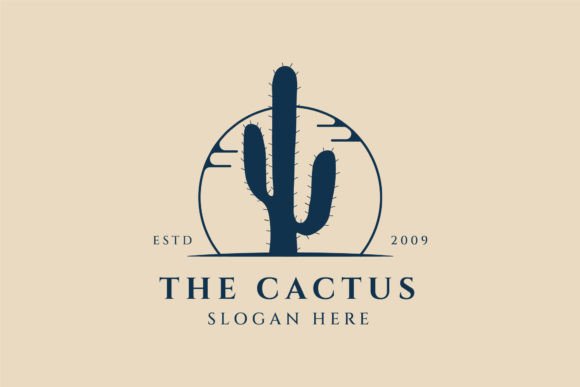
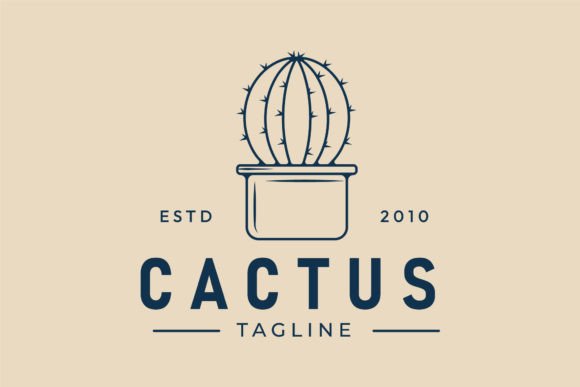
When I first opened the file for Cactus Line Art Logo, Icon and Symbol,, my initial thought wasn't about the technical specs or the vector formats. It was about the vibe. There is a specific mood that this design brings to the table immediately—clean, modern, and effortlessly chic. As someone who has spent years turning digital files into tangible stitched products for clients and my own handmade shop, I know that not every graphic translates well to thread. Some designs look great on a screen but fall apart under the needle. This one, however, feels like it was born for embroidery.
The minimalist line art style is perfect for what we call "visual clarity" in stitching. Unlike complex illustrations with hundreds of tiny details that can blur together, Cactus Line Art Logo, Icon and Symbol, relies on strong, confident lines. This makes it an ideal candidate for a variety of projects, from a subtle logo on a boutique tote bag to a statement piece on a denim sweatshirt. The simplicity allows the texture of the thread to shine, which is often where the real magic happens in machine embroidery.
From Screen to Stitch: How It Performs in the Hoop
Let's talk about a real scenario I recently encountered. A client came to me needing a custom embroidered patch for their new line of organic skincare. They wanted something that screamed "natural" and "desert vibes" without looking cluttered. We pulled up Cactus Line Art Logo, Icon and Symbol, as a potential candidate. The clean lines meant we could use a satin stitch for the outline to give it a crisp, defined edge, while leaving the interior open or filling it with a light running stitch depending on the fabric density.
In practice, this design excels on structured fabrics like canvas, twill, and denim. When I tested it on a heavy-duty cotton canvas for a custom apron, the result was stunning. The sharp angles of the cactus leaves held their shape beautifully because the design doesn't rely on tiny, fragile details that might get lost in the fabric weave. However, I have to be honest about where you need to exercise caution. If you are planning to put this on a stretchy jersey t-shirt or a thin, delicate fabric, you must be careful. The lack of dense fill areas means the design relies heavily on the stability of the base material. Without a proper stabilizer, those clean lines could pucker or distort as soon as the machine starts moving.
I also tested the design on a curved surface, specifically a baseball cap. This is always a tricky area for any embroidery project. Because the cactus motif is relatively tall, placing it too high on the curve caused some distortion at the top. But when adjusted lower on the front panel, the linear nature of the Cactus Line Art Logo, Icon and Symbol, worked surprisingly well. The vertical orientation of the cactus aligns naturally with the curve of the hat, creating a dynamic look that feels intentional rather than forced.
Choosing the Right Product for Your Business
If you are an Etsy seller or a small business owner looking to expand your product line, knowing where to apply this design is just as important as the stitching itself. This isn't a one-size-fits-all graphic. Its personality leans towards the artisanal and the modern-rustic. It fits perfectly with brands that focus on home goods, outdoor gear, or lifestyle products.
Imagine using this as a branding element on a set of kitchen towels. The contrast between the dark thread and the white linen would make the cactus pop, adding a touch of personality to a functional item. Similarly, for baby clothes, the soft, rounded lines of the line art are gentle enough for a nursery theme. You could create a whole collection of baby onesies featuring different variations of this icon, perhaps paired with simple text (though note that the text in the provided files is non-editable, so plan your layout accordingly).
For commercial embroidery projects, such as corporate gifts or event merchandise, this design offers a level of professionalism that avoids looking cheap. It works well on polo shirts and caps for companies with a relaxed, creative culture. The versatility of the vector format means you can scale it up for a large back print on a jacket or down for a small chest logo on a lanyard without losing quality. This scalability is crucial for maintaining brand consistency across different handmade products.
Practical Tips for a Flawless Finish
Before you commit to a full production run, there are a few steps every experienced designer takes. First and foremost, always test the embroidery file on scrap fabric. This is non-negotiable. You need to see how the thread interacts with your specific material. Does the tension need adjustment? Are the colors vibrant enough against the background?
Pay close attention to the stitch density. While this is a line art design, if you try to over-stitch certain areas to make them denser, you might end up with puckering. Conversely, if the fabric is loose, you might need to increase the density slightly to ensure the lines don't disappear. Always check your hoop size relative to the design dimensions. If the design is larger than your hoop, you will need to re-hoop, which increases the risk of misalignment.
Another critical factor is thread color contrast. With a design as minimal as Cactus Line Art Logo, Icon and Symbol,, the wrong thread color can make the entire image vanish. On a dark fabric, a black outline won't show up; you'll need a lighter or contrasting thread to define the shape. I recommend creating a printable mockup in black and white before you start stitching to visualize the final impact. This helps you spot potential issues with visibility before you waste time and money on actual production.
Don't forget to inspect the small details. Even though the design is simple, look at the corners of the leaves and the tips of the spines. Ensure they are sharp and not overly rounded by the digitizing process. If you are selling finished items, these tiny details are what separate a mass-produced look from a high-quality, handcrafted feel.
Final Thoughts on Value and Versatility
Ultimately, the value of a digital asset like this lies in its adaptability. Cactus Line Art Logo, Icon and Symbol, provides a solid foundation for a wide range of creative endeavors. Whether you are making personalized gifts for holidays, creating unique apparel for a craft fair, or building a cohesive brand identity for your online store, this design holds up well. It conveys a sense of calm and nature that resonates with customers today.
Just remember to respect the limitations. The files include EPS 10, SVG, PDF, and JPG formats, which gives you flexibility in editing, but keep in mind that the text within the original file is non-editable. Plan your composition around that constraint. By treating the design with care, selecting the right fabrics, and paying attention to the technical details of your machine setup, you can turn this simple vector graphic into a standout finished product that your customers will love.
So, if you are ready to add a touch of desert charm to your next embroidery project, give this design a try. Just test it first, trust your instincts, and let the stitching do the talking.