Vintage Retro Striped Circle Review
I have spent years reviewing embroidery designs for both personal hobby projects and commercial client work. There is a specific moment when I open a new file where the design either feels like a perfect fit or immediately raises red flags about how it will translate to fabric. Recently, I came across the Vintage Retro Striped Circle, a piece listed under the Kdp Interiors Graphics category. While the product description highlights its use for sublimation and wall decor, my interest lies in how this design holds up as a machine embroidery design for real-world applications like custom apparel, tote bags, and boutique merchandise.
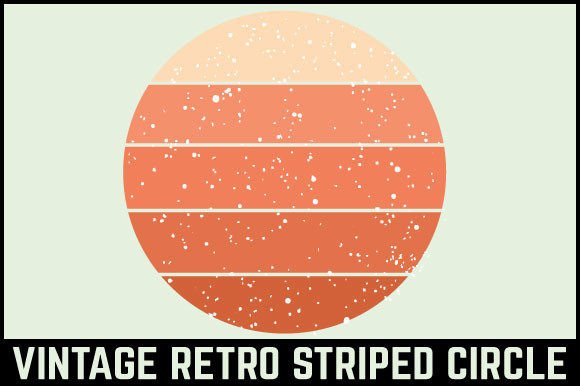
When I first laid eyes on the Vintage Retro Striped Circle, the mood was instantly nostalgic. It evokes the clean lines of mid-century modern aesthetics mixed with the playful energy of retro pop art. The circular shape offers a contained focal point that is inherently pleasing to the eye, while the striped pattern introduces movement without overwhelming the viewer. For an embroidery designer, the initial visual appeal is only half the battle; the true test is whether the geometry translates well into stitches. This design has a strong personality, making it ideal for brands that want to project a sense of fun, creativity, and timeless style.
Real-World Application: From Screen to Stitch
Imagine you are preparing a batch of handmade products for an upcoming craft fair or launching a new line on Etsy. You need a design that stands out but remains professional enough to justify a higher price point. I decided to test the Vintage Retro Striped Circle on a heavy cotton canvas tote bag intended as a gift for a local boutique owner. The goal was to create a durable, stylish accessory that would serve as a walking advertisement for the shop.
The circle shape proved to be an excellent choice for a tote bag. Unlike complex lettering or intricate portraits, the geometric nature of the stripes allows the design to sit flat against the curved surface of the bag without bunching. When I stitched it, the contrast between the fill stitches of the stripes and the satin stitch outline (if applied) created a tactile texture that caught the light beautifully. Customers browsing the booth were drawn to the simplicity and boldness of the design. It felt cohesive, suggesting that the maker put thought into every detail. This level of polish builds trust and encourages buyers to view the item as a premium handmade product rather than a mass-produced commodity.
Beyond totes, I envision this design thriving on sweatshirts and baby items. The rounded form works perfectly on the chest of a hoodie, offering a balanced look that doesn't feel too large or too small. For baby clothes, the soft retro vibe is gentle yet distinctive. A Vintage Retro Striped Circle embroidered on a onesie or a nursery pillow cover adds a touch of whimsy that appeals to parents looking for unique, personalized gifts. The design's versatility extends to kitchen towels and aprons as well, where the stripes can mimic the patterns found in vintage kitchens, tying the aesthetic together seamlessly.
Navigating Technical Challenges
While the design is visually striking, an experienced designer knows that "looks good on screen" does not always mean "stitches well." There are specific scenarios where the Vintage Retro Striped Circle requires careful consideration. One of the primary concerns is the density of the stripes. If the stripes are too thin relative to the hoop size, they may lose definition during the stitching process. On textured fabrics like bouclé or thick fleece, fine details can get lost in the nap of the material. In these cases, the crisp edges of the circle might appear softer than intended, which could be desirable for a rustic look but problematic if sharp precision is required.
Another critical factor is the substrate. Working with stretchy fabrics, such as jersey knit for t-shirts, demands a stabilizer strategy that prevents puckering. Because the circle contains multiple directional elements (the stripes), uneven tension can cause the entire shape to distort. I recommend using a cut-away stabilizer for stretchy materials to ensure the design maintains its round integrity after washing. Similarly, dark fabrics present a challenge. If the thread colors used for the stripes do not offer sufficient contrast against the background, the design will lack impact. Always test your thread color choices on scrap fabric before committing to the final garment.
There are also limitations regarding small hoop sizes. If you attempt to stitch a large version of the Vintage Retro Striped Circle in a 4x4 hoop, the computer may need to break the design into sections, which can lead to visible jump stitches or misalignment. Conversely, shrinking the design too much for a cap or a small patch might result in the stripes merging into a solid block of color. For curved surfaces like baseball caps, the design must be digitized with specific curvature adjustments to lay flat. Without these technical nuances, even the best design can end up looking lopsided or distorted.
Practical Notes for the Embroidery Designer
If you are planning to use this design for commercial embroidery or digital product sales, there are several steps you should take to ensure success. First and foremost, always test the design on scrap fabric that matches the weight and texture of your final project. This helps you identify potential issues with thread breaks, puckering, or registration errors before you waste expensive materials.
- Check Thread Color Contrast: Ensure the stripe colors pop against your chosen fabric. High contrast usually yields the best results for geometric patterns.
- Review Stitch Density: Examine the fill stitch settings. Too dense, and the fabric will pucker; too sparse, and the design will look cheap. Adjust the density based on the fabric type.
- Confirm Hoop Size: Make sure the design dimensions fit your machine's hoop capabilities. Avoid resizing drastically unless the software handles scaling intelligently.
- Inspect Small Details: Zoom in on the file to check for tiny corners or intersections that might be prone to breaking or missing stitches.
- Test Black and White Mockups: Before selecting threads, view the design in grayscale to verify that the pattern reads clearly without relying on color alone.
- Licensing Verification: The product description mentions usage for finished items for personal use and gifts. However, if you intend to sell the finished products commercially, double-check the license terms to ensure you are compliant. Using a design without proper commercial rights can lead to legal issues.
The Vintage Retro Striped Circle is more than just a clipart image; it is a versatile asset for creative entrepreneurs. Whether you are creating an embroidered patch for a denim jacket, a decorative accent on a holiday gift, or a branding element for a small shop, this design offers a strong foundation. Its retro charm resonates with current trends, making it a safe bet for seasonal collections or year-round inventory.
Ultimately, the success of any embroidery project comes down to execution. The Vintage Retro Striped Circle provides the visual blueprint, but it is your skill as a designer and crafter that brings it to life. By understanding the strengths and limitations of the design, you can avoid common pitfalls and deliver high-quality finished products that customers will love. From the first stitch to the final wash, this design has the potential to elevate your craft business and add a touch of vintage flair to your portfolio.