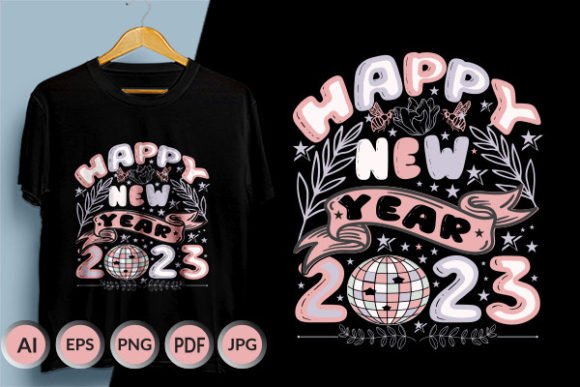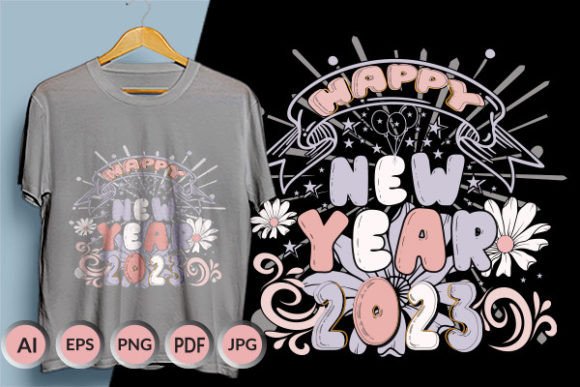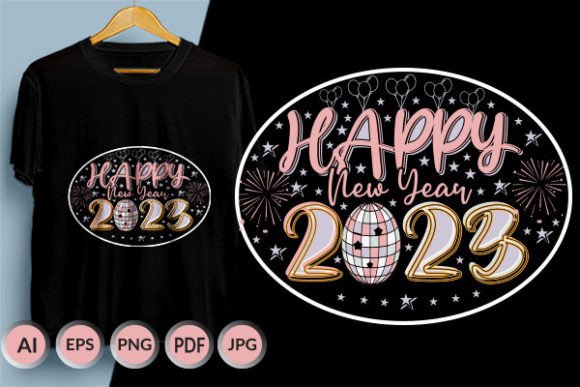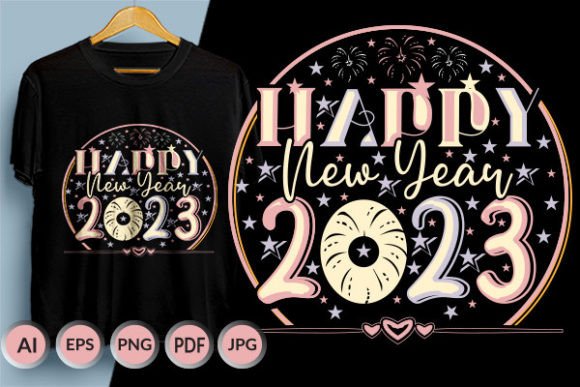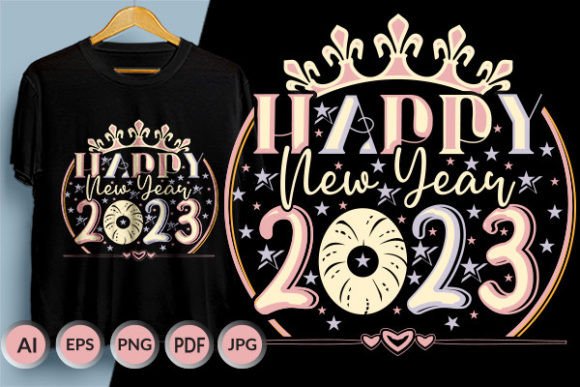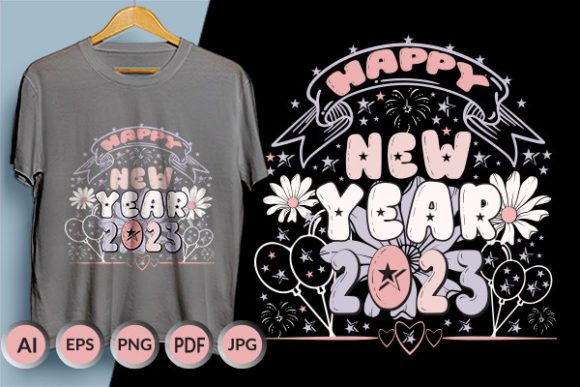
Happy New Year 2023 Design 11 Review
When I first opened the file for Happy New Year 2023 Design 11, my immediate reaction wasn't about the festive spirit, but about its structural integrity. As someone who has stitched thousands of designs on everything from delicate silk to heavy canvas, I look past the pretty pixels and see stitch paths, density maps, and potential trouble spots. This piece falls under the T-Shirt Designs and Graphics categories, which usually implies a focus on bold visuals meant for flat surfaces. But in the real world of embroidery, context is everything. Does it hold up when pulled tight against a curve? Does the text remain legible after ten washes? Here is my practical breakdown of how this design performs when moving from a digital mockup to a finished product.
The First Stitch: Visual Impact and Mood
Happy New Year 2023 Design 11 carries a celebratory energy that feels right at home on holiday merchandise. The layout suggests a graphic-forward approach, likely relying on strong lines and perhaps some decorative flourishes typical of year-end themes. For an embroiderer, the initial visual appeal translates directly into perceived value. A design that looks crisp on screen must translate into a tactile experience that justifies the price tag of a handmade item. The mood here is optimistic and fresh, making it an excellent candidate for seasonal collections where customers are looking for something specific to mark the occasion.
However, the "graphic" nature of the file means we need to be careful with how we interpret the shapes. If the original artwork relies on thin lines or complex gradients, the machine embroidery process will simplify them. My advice is to treat this as a machine embroidery design that requires thoughtful digitizing adjustments. If you are using a pre-digitized file, inspect the satin stitch areas closely. They should feel substantial enough to cover the fabric underneath without being so dense that they create puckering. The fill stitch sections need to follow the grain of the fabric to maintain a smooth appearance.
A Real-World Scenario: The Boutique Tote Bag
Let's imagine a specific scenario. It is December 28th, and you are a small business owner preparing inventory for your Etsy shop. You have a batch of sturdy cotton tote bags ready to go. You want to add a touch of holiday cheer without overwhelming the simple aesthetic of the bag. This is where Happy New Year 2023 Design 11 comes into play.
I placed the design in the center of a natural-colored canvas bag. The contrast was striking. Because the design is categorized as a graphics type, it works exceptionally well on neutral backgrounds where the thread colors can pop. However, the size matters immensely. On a standard tote, the design needs to be large enough to be seen from a distance but not so large that it dominates the entire surface area. In this setting, the design acted as a focal point, turning a plain utility bag into a gift-ready accessory.
But what if you tried this on a baby onesie instead? Or a structured cap? That is where the evaluation gets tricky. While the design is versatile, its success depends entirely on the substrate. On a soft, stretchy knit like a baby garment, the tension of the stitches can cause the fabric to gather. On a curved surface like a baseball cap, the flat layout might distort if the digitizing doesn't account for the curvature. This design shines best on stable fabrics like denim, canvas, or thick fleece, where the structure holds the shape of the embroidery firm.
Navigating Technical Challenges
Every embroidery project has its pitfalls, and knowing where to proceed with caution is the hallmark of an experienced designer. With Happy New Year 2023 Design 11, there are specific areas where you should double-check your setup before hitting the start button on your machine.
- Hoop Size and Stability: Ensure your hoop is large enough to accommodate the design without cutting off edges. Using a small hoop on a larger design forces the machine to reposition the fabric, which can lead to registration errors. Always use a proper stabilizer appropriate for your fabric weight. For light fabrics, a tear-away stabilizer is often necessary; for heavier items like aprons, a cut-away might provide better long-term durability.
- Fabric Texture and Color: The performance of this embroidery file changes based on the background. On dark fabrics, you will need a higher thread count or a different color palette to ensure visibility. If the design includes fine details, dark backgrounds can sometimes swallow them up. Conversely, on very textured fabrics like boucle or chunky knits, the needle might struggle to penetrate consistently, leading to skipped stitches.
- Small Details and Lettering: Check the smallest elements of the design. Tiny lettering or intricate corners are often the first things to fail during production. If the design includes the year "2023," verify that the numbers are thick enough to be read clearly. If the lines are too thin, they may break down over time or look muddy after washing.
- Stretchy Fabrics: Avoid using this design on highly stretchy materials like jersey or spandex blends unless you have stabilized them heavily. The tension of the stitches can warp the fabric, causing the final product to look uneven or misshapen.
Impact on Brand and Customer Trust
In the world of Etsy sellers and craft businesses, the quality of your work speaks volumes about your brand. A poorly executed design can ruin the perception of a high-quality product. When a customer receives a personalized gift or a boutique item, they are paying for craftsmanship. If Happy New Year 2023 Design 11 appears wrinkled, has loose threads, or the colors are dull due to poor stitching, it undermines the effort put into the rest of the item.
Conversely, a clean, professional finish elevates the item. When the stitch density is balanced and the thread colors complement the fabric perfectly, the design becomes a selling point. It transforms a simple piece of clothing or a kitchen towel into a cherished keepsake. For commercial projects, consistency is key. You don't want one batch of embroidered patches looking significantly different from the next. Testing every variable ensures that your finished product meets the high standards your customers expect.
Practical Designer Notes for Success
Before you commit to a full production run, I strongly recommend running a few tests. Start by stitching the design on scrap fabric that matches your intended material. This allows you to adjust tension and check for any unexpected issues without wasting resources. Pay close attention to the running stitch areas; they should lie flat and not create ridges on the surface.
If you plan to sell these items, review the licensing terms carefully. Some digital embroidery files come with restrictions on commercial use. Make sure you have the rights to produce and sell the finished goods. Additionally, test the design in black and white mockups to see how the contrast holds up. Sometimes, a design looks great in color but loses its definition when viewed in monochrome, which can affect how it appears in certain lighting conditions.
Finally, consider the end-user. Is this a holiday gift that will be washed frequently? If so, reinforce the stabilizer and choose high-quality threads that won't fade. Is it a custom apparel piece for a client? Ensure the placement aligns with their body shape and the garment's style. Whether you are creating a tote bag design, a sweatshirt embroidery piece, or a babys' item, the goal is always a seamless integration of art and function.
Happy New Year 2023 Design 11 is a solid addition to your library of design assets. It offers a festive vibe that resonates with buyers during the season, provided it is executed with care. By understanding its strengths and limitations, you can turn a simple digital file into a tangible, high-value product that brings joy to your customers and credibility to your brand.